
 November 15, 2025
What To Do After an Accident: Step-by-Step Guide to Handling an Accident
Category: Accident Recovery
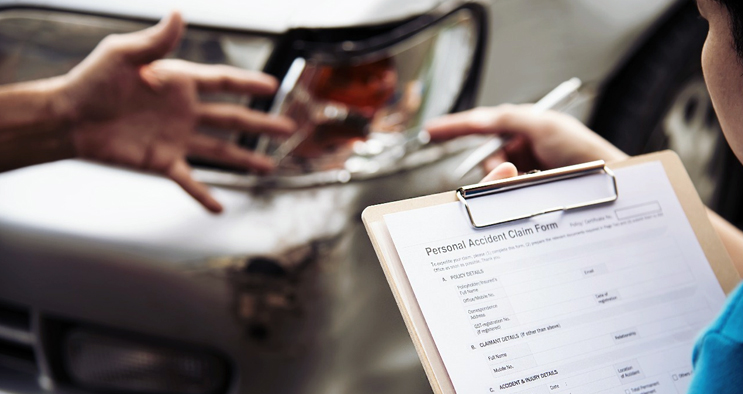
Knowing how to avoid an accident is vital, but knowing how to respond to one is also essential for preventing further costs, delays, and complications. According to recent data, approximately 6.7 million motor vehicle crashes occurred in the US in a single year. While not all of these incidents resulted in serious injuries, nearly all of them triggered a sequence of decisions and responsibilities that drivers had to manage, and they often had to do it under stress, confusion, or time pressure. Beyond the immediate physical and emotional aftermath, drivers must navigate legal thresholds, insurance protocols, and technical vehicle issues. Many drivers are not fully prepared for what those moments require. Should you call the police? What information do you need from the other driver? How soon should you contact your insurance company? And if your car is equipped with advanced safety features or sensors, could a minor fender-bender affect how your vehicle functions? In this guide, we walk through the essential post-accident steps: what to do, who to contact, and how to ensure legal compliance, protect financial interests, and maintain vehicle safety standards.
Assess the Situation and Safety First
Immediately after an accident, your priority should be to ensure the safety and well-being of everyone involved, including yourself. Take a moment to check if you or your passengers are injured. Then, if it is safe to do so, check on the driver and passengers in the other vehicle or vehicles involved. If anyone is hurt or appears to be in distress, call 911 right away for medical assistance. Staying calm is essential in moments like this. Panicking can cloud judgment and make it harder to respond effectively. If the accident is minor, and your vehicle is still operable, carefully move it to the side of the road or a safe location nearby to avoid obstructing traffic. Switch on your hazard lights to alert other drivers and prevent further incidents. If the vehicle is not drivable, leave it where it is, but ensure you and your passengers move to a safe location away from the flow of traffic, such as the shoulder or a nearby sidewalk. If it is not safe to exit, such as on a high-speed highway or in heavy traffic, keep your seatbelt fastened, remain inside the vehicle, and wait for emergency responders to arrive.
Do You Need a Police Report?
After you’ve ensured everyone’s safety and moved to a safe spot (if possible), the next important step is to determine whether you need to file a police report. This can often be a point of confusion, but knowing the rules can save you time and hassle later on. If the accident is minor and the damage appears to be less than $2,500, you may not be required to call the police or file a formal report in many states. However, laws may vary by state, so it’s always wise to double-check local regulations or ask the officer if one is dispatched. If anyone involved is injured, no matter how minor, you must call emergency services right away to ensure medical help is on the way. In such cases, a police report is typically mandatory. In some cases, filing a report may still be beneficial even though you believe the damage is below the threshold. This ensures that official notes and statements are documented, which can later serve as substantial evidence for insurance claims or legal proceedings.
Collect Information From Others Involved
Gathering accurate information after an accident is essential because it helps you handle insurance claims smoothly and protects you if any disputes come up later. If it feels safe, calmly and politely ask the other party for their details. The key information you should collect includes:
– Full name
– Address
– Phone number
– Driver’s license number and issuing state
– Insurance company name and policy number
– License plate number
– Vehicle make, model, and color
If there are any witnesses, be sure to get their names, addresses, and contact numbers as well. Also, note the exact location and date of the accident. If you filed a police report, make sure to write down the officer’s name and badge number, and ask how you can obtain a copy of the report. Throughout this process, keep a calm and professional attitude. Avoid arguing or placing blame; you’re there to exchange facts and gather information. If the other person is reluctant to share details or becomes confrontational, stay composed and wait for the police to arrive if you’ve called them.
Document the Scene
Once you have exchanged information, focus on documenting the accident scene clearly and thoroughly while the details are still fresh. Write a factual account of what happened, including the time, date, weather conditions, and your perspective on how the accident unfolded. This will help solidify your statement later. Take photos of the scene from different angles using your phone, paying close attention to the areas of vehicle damage to support your insurance claim. Check with nearby drivers, businesses, or residents for dashcam or security camera footage that may have captured the incident.
Contact Your Insurance Company Quickly
After you’ve documented the scene, notify your insurer promptly to start the claims process. Many policies require timely reporting to maintain eligibility for certain benefits, such as rental reimbursement or medical payments. Reach out through your insurer’s mobile app or by calling directly. Be ready to provide an objective account, including the date, time, location, and any relevant circumstances, along with the other party’s details and any photos or documents you’ve collected. Early reporting sets the process in motion, allowing your insurer to guide you on the next steps and confirm applicable coverages. Maintain a record of your insurance communications, including who you spoke to and the details of each conversation. These details can be valuable if you need to follow up or resolve any misunderstandings during the claims process.
Get Auto Collision Repair Quotes
After you’ve contacted your insurance company and understand your coverage, it’s time to seek out a repair estimate. Take your time to find reputable auto body shop services rather than settling for the first one you see. The most important step is choosing a repair facility you can trust. Look for a shop with a strong reputation, clear communication, and a commitment to restoring your vehicle safely. The right repair partner will prioritize your experience, stand behind their work, and follow proper repair methods — giving you confidence without the hassle of chasing multiple estimates.
| Step | Action | Why It Matters |
|---|---|---|
| Ensure safety | Move to a safe location, turn on hazard lights, and call 911 if injured. | Prevents further damage/injury. Police reports are often required for insurance claims and repair estimates. |
| Document the scene | Take photos of damage, license plates, and road conditions. Note witness contacts. | Photos help our estimators assess damage remotely and speed up your repair timeline. |
| Contact Insurance | Report the accident ASAP, even for minor damage. Ask about preferred shops. | We work with all insurers and handle direct billing; let us navigate the paperwork for you. |
| Choose an auto body repair Shop. | Select an OEM-certified shop (like Collision Restoration LLC) for factory-approved repairs. | Non-certified shops may use cheap parts that void warranties. We guarantee OEM-quality repairs. |
| Get an Estimate | Bring your car to our shop for a free inspection or start an online estimate. | Minor dents might qualify for paintless dent repair (PDR), saving you time and money. |
| Schedule Repairs | Book a repair slot. Ask about rental car assistance if needed. | We offer loaner cars and work with rental providers to minimize your downtime. |
| Post-Repair Care | Inspect repairs with our team and review warranty coverage. | We provide a lifetime warranty on qualifying repairs; your peace of mind matters. |
Table: Summarizing the post-accident steps
Understand Your Vehicle’s Specific Needs
Different vehicles come with varying requirements for auto body repair that depend on factors such as their make, model, age, and how well they have been maintained over time. Beyond just fixing visible damage, it’s essential to understand that many modern cars have sophisticated technology and safety systems that require special care after an accident. For example, many newer vehicles are equipped with sensors, cameras, radars, and driver assistance features like lane departure warnings or automatic emergency braking. When these systems are impacted, they often need recalibration or resetting to work correctly again. This step is not optional; proper calibration is crucial because it ensures that all safety features function as intended, keeping you and others on the road safer. Knowing exactly what features your vehicle has and whether they need calibration can help you avoid unexpected delays and extra costs during the auto collision repair process. Calibration and specialized repairs can add to both the cost and time it takes to get your car back on the road. Knowing about these needs in advance allows you to prepare accordingly, communicate clearly with your insurance company, and choose a collision repair shop with the right expertise for your vehicle’s technology.
Final Thoughts
Handling the aftermath of an accident is not simple. It can be stressful due to the numerous tasks that demand your attention. It’s not just about fixing the damage to your vehicle; it’s about approaching each step carefully to safeguard your finances, your rights, and your safety. Having a clear understanding of what needs to be done can significantly ease the stress and help prevent unnecessary complications. By staying calm, being thorough, and acting thoughtfully, you can better navigate what often feels like a confusing and challenging situation. Whether you are addressing immediate safety concerns, communicating clearly with others involved, or ensuring your vehicle is repaired correctly, each decision you make influences the outcome. Keeping your records organized, following up regularly on your claim, and asking questions whenever something is unclear will empower you through the entire auto collision repair process. How you respond after an accident affects more than just your physical well-being; it also impacts your financial security and legal standing. Being prepared and informed not only helps you prevent potential setbacks but also turns a challenging experience into one you can manage with confidence and peace of mind.
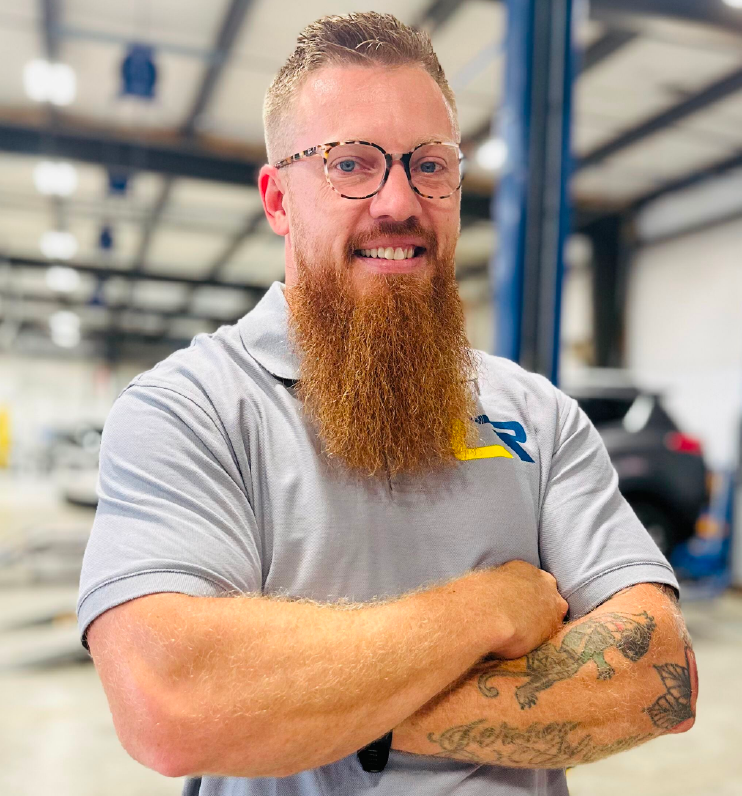
Aaron Colburn
Aaron Colburn is the founder and owner of Collision Restoration. With extensive experience as a technician, estimator, and general manager in the collision repair industry, Aaron established the company in 2022 to deliver top-tier auto repairs rooted in honesty, transparency, and personalized customer service. His passion for craftsmanship and commitment to excellence drive every aspect of the business, ensuring a stress-free experience for clients across Indiana.