

 December 15, 2025
Paintless Dent Repair (PDR) Explained: Cost, Process, & How It Can Benefit You
Category: Paintless Dent Repair
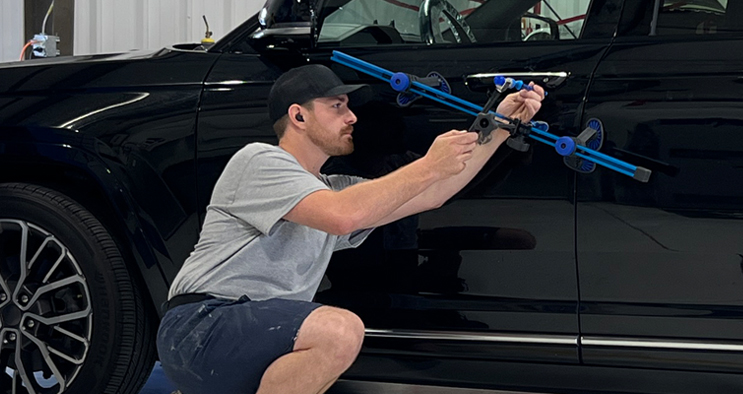
Imagine your vehicle’s dent disappearing as if it had never been there. No sanding. No paint. No trace left behind. Paintless Dent Repair (PDR) makes that possible. This innovative technique restores your car’s smooth, factory finish without the mess or cost of traditional bodywork. It’s quicker, more affordable, and far less disruptive than conventional car body repair, making it an ideal option for certain types of damage. In this article, we’ll walk you through what PDR is, the types of dents it can repair, how the process works, and what it can save you in both time and money. If you’re looking for a more innovative, more straightforward way to handle minor damage, this article is a great place to start.
Paintless Dent Repair
It is a specialized method to repair vehicle dents. It is a non-invasive method of removing minor dents and dings from a vehicle without the use of paint, sanding, or traditional body fillers. By utilizing advanced tools and techniques, technicians can smooth out dents without the need for repainting or replacing parts. This factory-friendly method saves time and money by avoiding disassembly and maintaining your car’s original finish. It’s an ideal solution for minor damage.
Common Types of Damage Suitable for PDR
It is ideal for minor damage, such as superficial damage, where the paint surface remains intact. Determining whether a dent is suitable for PDR depends mainly on the condition and extent of the dent, as well as the state of the paint surface. As long as the paint is not chipped, cracked, or scratched, the dent can often be repaired. Shallow dents, even those larger than a golf ball, may still be eligible if the area can be reached with tools. This method maintains the vehicle’s factory appearance without invasive bodywork. Below are common types of damage that typically qualify for PDR:
Hail Damage: Hail damage is among the most common types of vehicle dents treatable with PDR. It typically appears as small, shallow, round impressions scattered across horizontal surfaces, such as the roof, hood, and trunk. Fortunately, hail doesn’t usually damage the paint due to low velocity, making these dents excellent candidates for non-invasive repair. Hail damage can be caused by a summer hailstorm, when the hailstorm causes dozens of coin-sized dents. Summer hailstorms are the usual cause, often leaving behind clusters of small, coin-sized indentations.
Door Dings: Door dings typically occur on areas such as doors, fenders, or side panels when another vehicle’s door bumps into your car, often in tight or crowded parking spaces. These dents are usually minor, with a rounded or crescent shape, and in most cases, the paint remains intact. Because the impact is light and surface-level, door dings are also excellent candidates for Paintless Dent Repair.
Shopping Cart Impacts: Low-speed collisions from shopping carts or carts left improperly in parking lots often result in minor dents on the vehicle’s exterior. These dents rarely damage the paint, making them ideal for auto body restoration through paintless dent repair without the need for sanding, fillers, or repainting.
Garage or Parking Bumps: Opening a car door into a wall, pole, or other fixed object, or lightly bumping them while parking, often results in wide, shallow indentations rather than deep creases. These common mishaps are typically easy to repair with PDR, as the paint is usually not damaged.
Contact with Posts or Mailboxes: Accidentally pulling too close to a mailbox or metal post can leave shallow dents on fenders, bumpers, or side panels. When the paint remains intact, these areas can be efficiently restored with PDR techniques.
Minor Damage from Sports Equipment: Dents resulting from accidental contact with items such as soccer balls, basketballs, or other recreational gear typically affect only the metal surface without compromising the paint. In such cases, PDR offers a fast and effective solution to restore the panel’s original shape and appearance.
Limitations of PDR
While Paintless Dent Removal has its advantages, it’s not always a one-size-fits-all fix. It’s important to understand where the technique performs best and where it doesn’t. Understanding these limitations can help set realistic expectations and determine when alternative repair methods may be necessary. The limitations of PDR are discussed below:
Paint Damage: PDR is typically not recommended when the paint is scratched, chipped, or cracked. The process involves carefully manipulating the underside of the metal panel to restore its original shape and form. However, if the paint surface is already compromised, this manipulation can lead to flaking, peeling, or further deterioration of the surface. For PDR to be effective and maintain a seamless finish, the original paint surface must be completely intact.
Panel Access: Accessing the back of the dent is a critical requirement for performing PDR, as it allows technicians to apply controlled pressure and gradually reshape the metal. However, particular areas of a vehicle, such as door panels with internal reinforcement beams or areas with complex structural components, may have limited direct access. In such cases, non-invasive alternatives, such as glue pulling, can still yield effective results without compromising the vehicle’s finish.
Material Type: Not all vehicle materials respond to Paintless Dent Repair in the same way. PDR is most commonly used on steel and aluminum panels, though success also depends on the dent’s location. While aluminum is more flexible than steel, it also stretches more easily and tends to harden quickly. This can increase the risk of paint cracking if not handled properly. As a result, aluminum requires a careful and controlled approach. Although skilled technicians can achieve excellent results with aluminum, some repairs may still prove more challenging or yield less predictable results compared to those with steel.
Size and Location Considerations: PDR is generally effective for small to moderately large dents, typically ranging in size from a golf ball to a softball. While size is an essential factor, the dent’s location plays an equally critical role. Repairs may not be feasible if the dent is situated on edges, near body lines, or in areas with limited access to tools, even if the dent falls within the typical size range.
Technique Used in Paintless Dent Removal
Depending on the accessibility of the backside of the dent, two techniques are mainly applied:
Rod and Tool Access: Rod and tool access is a fundamental technique employed in PDR, particularly when the dent can be accessed from the rear of the panel. To get the area behind the dent, components such as interior trim, tail lights, or wheel well liners may need to be removed. Once the area is accessible, technicians select specialized tools, including metal rods and picks, based on the size and location of the dent. Controlled pressure is then applied to manipulate the metal back into its original form gradually. This technique enables effective dent removal without compromising the factory paint finish.
Glue Pulling: Sometimes, the tools just can’t reach the back of a dent, especially in tricky spots, such as areas blocked by structural supports or interior components. Glue pulling is commonly used when the backside of a dented panel is inaccessible. Instead of pushing the metal from behind, this method works from the outside. The surface is first cleaned to ensure proper adhesion, then a plastic tab is glued to the center of the dent using a hot-melt adhesive. Once the glue sets, the tab is gently pulled using a specialized tool, such as a dent lifter or slide hammer, slowly drawing the metal back to its original form. After the dent is lifted, the tab and any remaining glue are carefully removed, leaving the paint intact and undamaged.
Paintless Dent Repair Cost and Efficiency Benefits
When evaluating repair methods, cost and efficiency remain key factors in the decision-making process. From reduced unnecessary costs to faster turnaround times, PDR provides measurable efficiencies that make it a preferred solution.
Lower Cost: Compared to conventional repair methods, PDR is significantly more affordable. For minor dents, such as those the size of a golf ball, PDR can cost up to 50% less than conventional repairs, which often involve labor-intensive processes like sanding, painting, and part replacement.
Avoids One-Time Use Parts: Traditional repairs often require the removal and replacement of particular parts that cannot be reused. Many modern vehicles, such as Toyotas and Lexuses, use trim or moldings that can’t be reinstalled after removal, adding to the repair bill. Similarly, emblems and badges (such as “Silverado” or “F-150”) are often damaged during removal and can cost $100–$300 each to replace in a traditional repair. Paintless Dent Repair eliminates the need to remove these elements, helping reduce both material costs and overall repair expenses.
No Calibrations Needed: Modern vehicles are equipped with advanced driver-assistance systems (ADAS), sensors, and cameras that often require recalibration after conventional repairs, which can add $500 to $1,200 to the repair bill. PDR eliminates the need for sensor recalibration or reprogramming since it does not involve removing panels or disconnecting sensors, ultimately saving both time and money.
Faster Turnaround Time: PDR offers a significantly quicker repair process compared to traditional methods. While conventional repairs often take around three days due to steps such as sanding, filling, painting, and drying, PDR can typically be completed within a half-day to one full day, meaning customers can drop off their vehicle in the morning and pick it up after work. This efficiency allows customers to minimize downtime and maintain their daily schedule with minimal disruption.
Conclusion
Paintless dent repair offers a faster, more affordable, and eco-friendly way to fix dents, without the need for fillers or repainting. Whether you’re dealing with a golf ball-sized hail dent or a minor door ding, PDR preserves your car’s original finish while saving you time and money. By using specialized tools to massage out dents from behind the panel gently, this method delivers seamless results that often appear brand new. If your vehicle’s damage meets the criteria (no chipped paint or deep creases), PDR is likely your smartest repair choice. Ready to see if your dent qualifies? Contact a certified auto repair shop, such as Collision Restoration, today for a complimentary PDR estimate. We’ll help you restore your car’s appearance with precision and care.
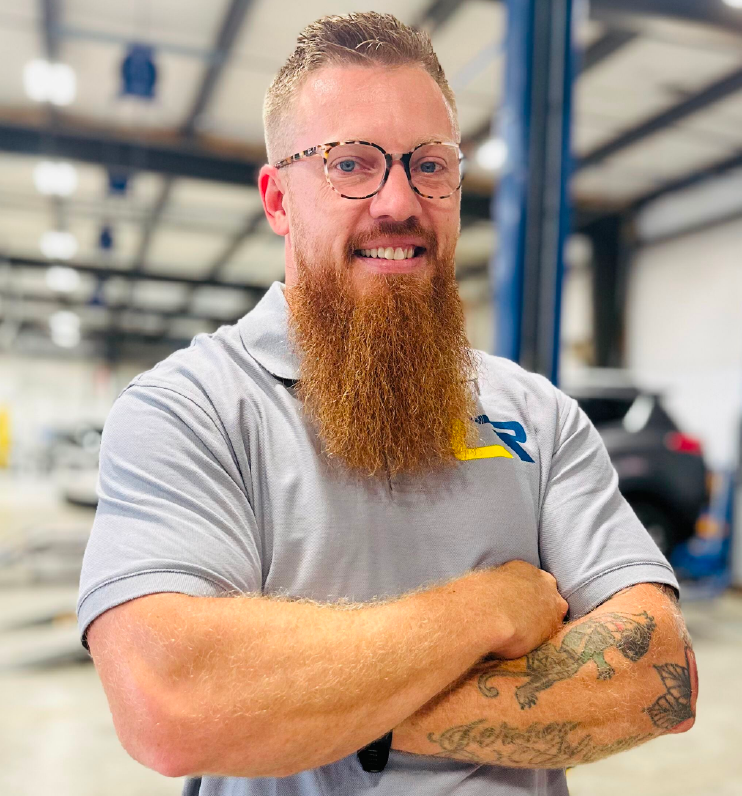
Aaron Colburn
Aaron Colburn is the founder and owner of Collision Restoration. With extensive experience as a technician, estimator, and general manager in the collision repair industry, Aaron established the company in 2022 to deliver top-tier auto repairs rooted in honesty, transparency, and personalized customer service. His passion for craftsmanship and commitment to excellence drive every aspect of the business, ensuring a stress-free experience for clients across Indiana.